
In today's world, where the cost of living seems to rise relentlessly, every penny counts, especially when it comes to car maintenance and driving costs. Discover long-term driving practices that don't just support cash savings but also boost vehicle reliability. Here's how you can set your wheels—and your wallet—on the right track.
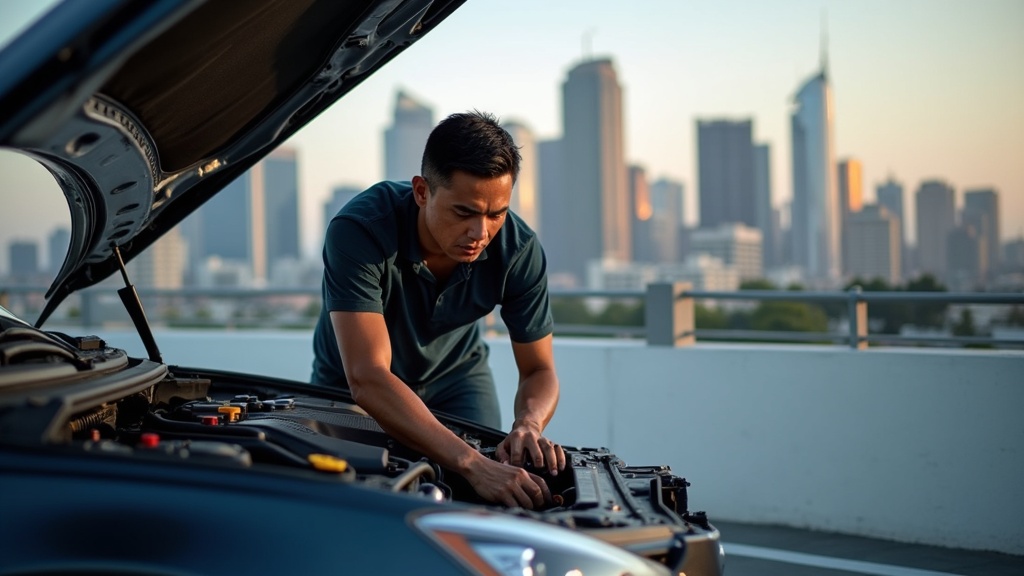
Embrace Smooth Driving for Fuel Efficiency
Jerky starts and sudden stops are not just harsh on your car; they take a toll on your fuel economy as well. Jennifer, a seasoned mechanic, shares that maintaining a consistent speed and anticipating traffic lights can improve mileage by 15%. Smooth driving translates to less wear on your vehicle and more dollars in your pocket.
Master the Art of Tire Maintenance
Tires are where the rubber meets the road, quite literally. Proper tire maintenance, including regular inflation checks and rotations, extends their lifespan and reduces the risk of unexpected blowouts. David, a tire expert, advises checking tire pressure monthly and rotating them every 5,000 miles to ensure even wear.
Schedule Routine Checks Without Fail
Preventive maintenance is the secret weapon of long-term savings. Regular oil changes, brake inspections, and fluid top-offs can prevent major breakdowns and costly repairs down the line. Car enthusiast Mark Morgan asserts that sticking to your vehicle’s service schedule can save hundreds annually.
Choose Quality Over Price in Car Parts
While it might be tempting to opt for the cheapest replacement parts, quality should never be compromised for cost. High-quality parts last longer and perform better, ultimately offering better value. Alexis, a car owner who learned this lesson the hard way, found premium parts to be worth the investment after expensive engine repairs.
Harness the Power of Technology for Diagnostics
Today’s vehicles come equipped with onboard diagnostics that alert you to potential issues long before they become serious problems. Embrace these technologies and use diagnostic apps to regularly check your car’s health. Theo, a tech-savvy driver, prevented an expensive repair by catching a minor engine issue early through an app.
Explore Fuel-Saving Accessories
From aerodynamic kits to low-resistance tires, fuel-saving accessories can significantly reduce travel costs over time. These enhancements may require an upfront investment, but they promise quick returns in terms of fuel efficiency. Dylan, who installed a wind deflector on his truck, saw a noticeable drop in fuel consumption during highway drives.
Avert Unnecessary Idling to Save Energy
Idling wastes more gas than restarting your engine. Research shows that turning off your car during extended stops can lead to significant fuel savings over time. Sandra, a savvy commuter, has cut down on her fuel costs by conscientiously avoiding idling at long traffic lights and during school pickups.
Adopt a Mindful Approach to Car Loads
A lighter car is a more efficient car. Clearing out unnecessary items from the trunk and backseat reduces strain on the engine and improves fuel efficiency. Ethan, who once hauled a trunk full of sports gear, now enjoys better mileage and a smoother ride by keeping his car clutter-free.
Practice Smart Parking for Longevity
Where you park can have a surprising impact on your vehicle's condition. Opting for shaded areas prevents sun damage to your car’s interior and paint. Parking spaces away from traffic reduce chances of dings and scratches. Lauren, who parks strategically, has preserved her car’s look and value over the years.